Title:
Life Of a Fishermen
Date:
November 19, 2019

 Unique Sri Lankan Experiences

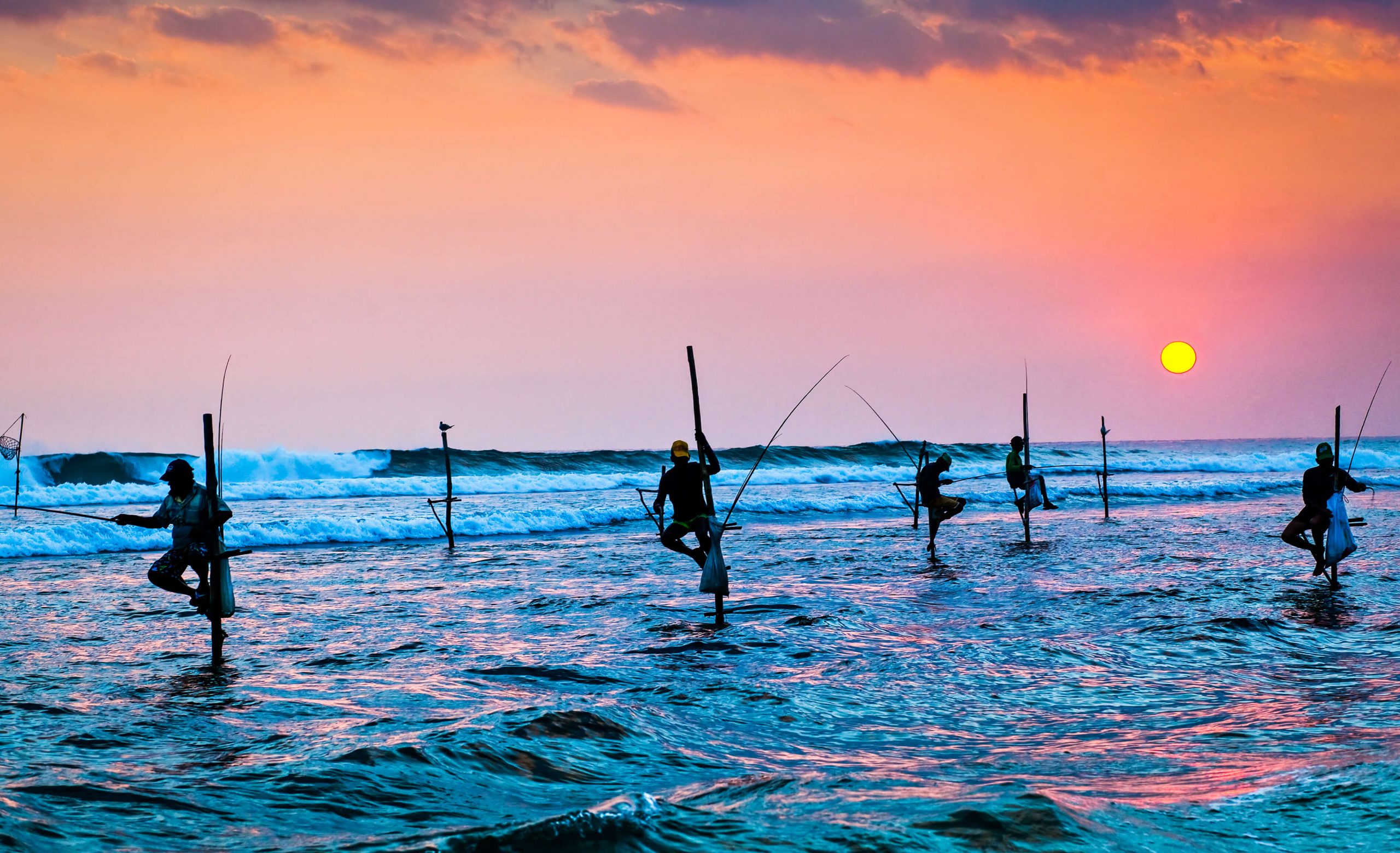
“Maalu Waadi” are fishing villages that are dynamic during the ideal fishing season on each coastline of Sri Lanka. Fishermen from across the country travel to these villages and set up temporary homes. Some travel with families while some are alone. Early mornings on the south coast of Sri Lanka are the ideal times to see fishermen landing their catch.


Every evening or early morning, fishermen go out to sea and fix fishing hooks at different locations and when they return, there’s enough fish collected near the hooks. Some men focus only on collecting larger fish such as lobsters and tuna, which are sold based on their weight. For this, they go out to sea at night and throw some nets in which the lobsters get collected. In the early morning hours, these fishermen return to sea, find their nets, and pick up those entangled lobsters.
The sea shores begin to fill up with boats as the sun comes up and the last of the fishermen return ashore with their final early morning catch. Every time a boat approaches, there is a shout and a group of men who are standing on the beach help with pulling the net ashore. Sometimes this process takes about an hour, even with a group of about 10-15 men working hard.
Most villages and towns have a fish market but fishermen end up selling some of their stock on the seashores to early birds (such as restaurant owners and local merchants) who come searching for the freshest fish from their direct sources. Apart from lobsters and tuna, red mullet, ranna, handaya, para maalu are some Sri Lankan fish that are brought ashore, categorized into groups of varieties, and sold to the public.
A ‘Mudalali’ is what these fishermen refer to as their boss. A group of fishermen have a main Mudalali with whom they work for. Every day’s catch is loaded into his truck which is full of ice boxes to store the fish. Some of these trucks head to the fish market while some head straight to the airport for exporting.

Because fisherfolk are from different parts of the country, they share different beliefs, cultures, and ways of doing things. Some do not cook their own catch and some do not eat their own catch.
Those who are fishing for a living are always on the move, from coast to coast, depending on the changes in currents and wind. With experience, they can determine changes in tide and ways of the sea. When they want to move locations, they hire a truck to transport their boats (made of coconut leaves) and all other furniture and equipment.
When the sun becomes harsher, fishermen return to their homes to mend nets, rest, and spend time with families. Because of the dangers that they face every day on their venture to sea, the men of the families are regarded with great respect.
For tourists interested in learning more about a fishermen’s tale, guided tours can be organized. The traditional industry of fishing still supports many families in Sri Lanka.